Lectin
Today, we’ll be learning about lectins, but first, let’s start with the definition of an antinutrient. Antinutrients are compounds that interfere with the absorption of nutrients. Lectins are considered an antinutrient, and they have certainly had their 15 minutes of fame, or more appropriately, infamy, due to media and books citing lectins as a major cause for obesity, chronic inflammation, and autoimmune diseases. Other antinutrients are phytates, oxalates, tannins, and saponins, among others.
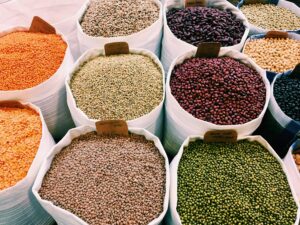
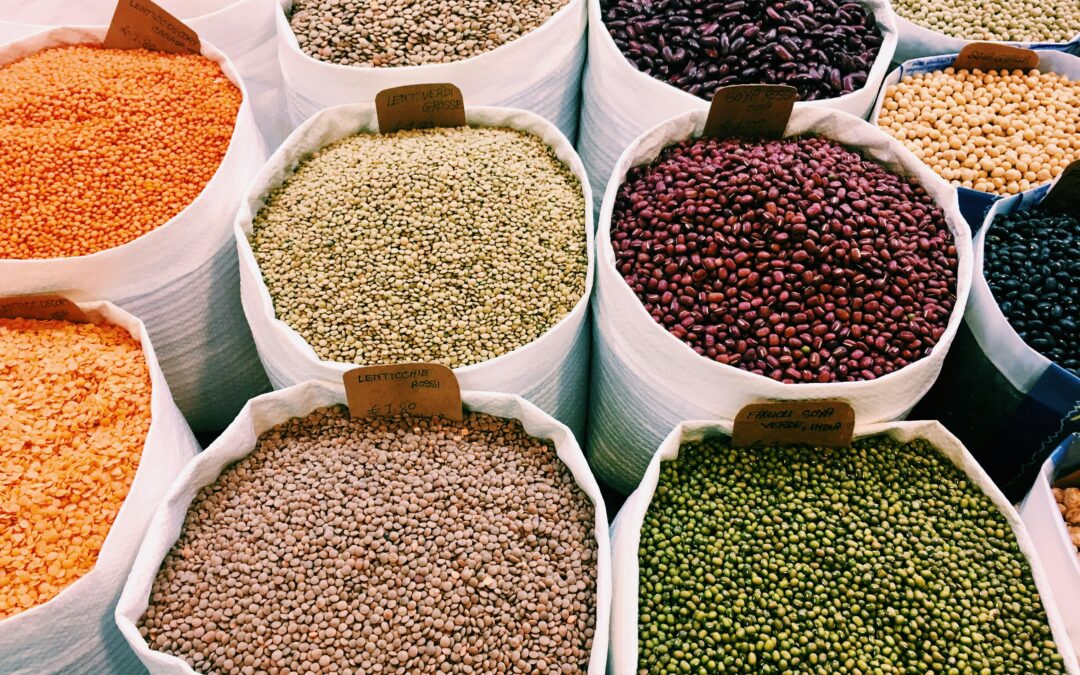
So, what is a lectin? Simply put, lectins are defined as proteins that bind to carbohydrates. The same features that lectins use to defend plants in nature may cause problems during human digestion–think saponin on quinoa, which helps to keep birds away. This is why we rinse quinoa before cooking it- saponin is bitter. Lectins resist being broken down in the gut and are stable in acidic environments, such as your stomach. They are found in all plants, but raw legumes, such as beans, lentils, soybeans, peanuts, and whole grains like wheat, contain the highest amounts of lectins.
The body produces digestive enzymes like proteases -trypsin, as one example- that can break down some lectins, but many lectins are resistant to these enzymes and can survive digestion, potentially binding to the gut lining and interfering with nutrient absorption. Just soaking in water for several hours may inactivate lectins, but cooking, especially with wet high-heat methods like boiling or stewing, can inactivate most lectins. Low heat, slow cooking may not deactivate them.
Other processes that deactivate the compounds are sprouting grains and beans, fermenting, or mechanically removing the outer hull of beans and wheat grains that contain the most lectins.
There are different types of lectins in food, and the reactions people have to them vary. Someone who has an underlying digestive sensitivity, such as irritable bowel syndrome, may be more likely to experience negative symptoms from eating lectins and other antinutrients.
Raw wheat, such as wheat germ, and other whole grains are high in lectins. If you’re trying to avoid lectins, do not eat raw whole grains. Soybeans are another legume that’s full of lectins. Unlike some other legumes, soybeans are often eaten toasted or roasted. This type of dry heat does not appear to be as effective at breaking down lectins as boiling. Be cautious when eating raw or toasted soybeans if you are avoiding lectins.
One important note: some sources of lectins are considered seriously poisonous. Castor beans, for example, contain a potent lectin poison called ricin.
We’ve been stalking about the potentially negative impact of plants that contain lectins, but what about the positive?
Lectins can act as an antioxidant, which protects cells from damage caused by free radicals. They also slow down digestion and the absorption of carbohydrates, which may prevent sharp rises in blood sugar and high insulin levels.
In some studies, lectin-containing foods are associated with weight loss and lower rates of cardiovascular disease and type 2 diabetes. They are also food sources of B-vitamins, protein, fiber, and minerals. When properly prepared, the health benefits of consuming these foods outweigh the potential harm of lectins unless you have an underlying digestive issue.
For those who can eat legumes, my recipe for Lentil soup, with miso is available on my website, pattyjames.com
Split Pea or Lentil Soup with Vegetables and Miso
Serves 6-10
3 cups split peas or lentils
8 cups vegetable stock
3 carrots, diced
2 stalks celery, thinly sliced
2 yams, diced into bite-sized pieces. No need to peel
1/2 pound shiitake mushrooms, sliced
1/2 cup miso
1 cup warm water, or stock
Combine, in a large pot ,the split peas or lentils and the veggie stock. Simmer for about 45 minutes, stirring often. Add more stock if the soup becomes too thick.
Add the carrots, celery, yams, and mushrooms.
Simmer another 30 minutes, or until the split peas are making their own puree. The veggies should be tender, but not mushy.
In a small bowl, mix miso and warm water or stock, then add to the soup. Warm, then serve! Note: Do not heat miso in high heat, as it will kill the good bacteria.