Happy New Year, everyone! The article I wrote was published in Thrive Global in 2019, but it remains relevant today. At the end of the article, I have two ideas that, if followed, will improve your health as the year progresses.
One Thing in 2019
Just don’t ask me to give up my bourbon
He was referred to me from his doctor with pre-diabetes and the first thing he said to me as he walked into my cooking school and nutrition center was “just don’t ask me to give up my bourbon.” I didn’t. Instead I started him on a meal plan that over the next six weeks reversed his pre-diabetes and when he started to feel better the bourbon fell away (well, mostly) of its own weight. I have many such stories, but the point is sometimes it’s one thing that can make all the difference.
My one tip for 2019 is simple: listen to your body. Granted it’s not easy. Humans have lost touch with what their bodies are trying to tell them. We’re busy, always connected, and don’t stop to listen to our bodies or we just power through signs that something is amiss.
Perhaps some examples would help you.
Do you feel bloated? When? An hour after a meal? What did you eat or drink? Keep a food log with places for notes and perhaps in a week or two you’ll figure out if a certain food is making you bloated. It might be an ingredient in a meal that you ate hours or even days ago. With persistence you can figure it out. Say, you had marinara sauce with many ingredients in it. That might be tricky to figure out if it’s the tomatoes or the garlic or onions. Keep precise notes and eventually you’ll figure it out and thank your body for the bloat because now you understand it and can make changes accordingly.
Do you always crave a glass of wine late afternoon or as soon as you get home? You might just be hungry. Eat something, preferably a protein food (nuts, a hardboiled egg, slice of chicken) and then pay attention to that wine/sugar craving. It might be an ah-ha moment for you. Personally, alcohol is a gateway drug to food. With less alcohol, comes less food. You?
Do you have aches and pains in a particular area of your body? Yes, it might be an injury and you might know exactly why it’s sore, or perhaps you don’t. Now this risk now of sounding a little new agey and loosing you– please keep an open mind on this next example. I am fortunate at sixty-one years of age not to have aches and pains. That said, ten years ago I had some major life changes and with those changes came a terrible ache in my sacrum. I couldn’t rub it out: foam rollers didn’t work, hot baths didn’t work, you name it, and nothing helped. I went to a friend who was a masseuse and she told me that that area of the body represents survival and to go home, walk up the hill, sit on the dirt and visualize releasing negativity into the Earth. Let it all go. OK…. Well, I did, although I felt a little guilty for all the negativity that was now in the dirt. This is where I might loose more of you, but when I was done and walked down the hill, I felt no aches and pains and haven’t since. I tell folks that story and it’s up to them if they believe it and want to try. It couldn’t hurt could it?
There are so many examples of pushing through and stuffing down the signs your body is giving you. Perhaps we can all help each other and tell our stories.
I look forward to hearing your stories of connection between you and your body and between all of us with each other.
Here are the 2 ideas. Increase your fiber intake. Most Americans consume about 14 grams of dietary fiber per day, which is woefully shy of what you need for good health. Recommendations are between 25 and 30 grams, which, in my opinion, is not enough. Most experts advise slowly increasing your intake of fiber to prevent gas and bloating. Adding 2-4 grams a week is a good recommendation, and increase your water intake as well. Here are some easy ways to increase your dietary fiber:
Replace regular pasta with whole wheat pasta
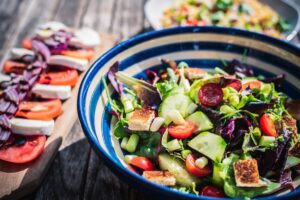
Eat high-fiber snacks such as fresh vegetables and fruits. Leafy green vegetables such as kale and spinach, broccoli, figs, prunes, and raspberries are all high in fiber.
Consume pinto, navy, lima, and kidney beans, as well as the legumes lentils and split peas.
Second is to increase your consumption of Omega-3 fatty acids, while lowering your consumption of Omega-6 fatty acids. Omega-6 fatty acids will be a separate article available soon.
Omega-3 fatty acids are essential (meaning it’s essential that we eat them as our body does not create them) polyunsaturated fats crucial for brain, heart, and cellular health, acting as building blocks for cell membranes and precursors for anti-inflammatory hormones, obtained from foods like fatty fish (EPA/DHA) and plants (ALA), and linked to reducing triglycerides, blood pressure, inflammation, and risks for heart disease, stroke, and depression. In my years of working with veterans and active-duty military, I have studied omega-3 fatty acids and depression, and the correlation between the two, which is well-documented.
Animal sources
These provide EPA and DHA, the most active forms of omega-3’s:
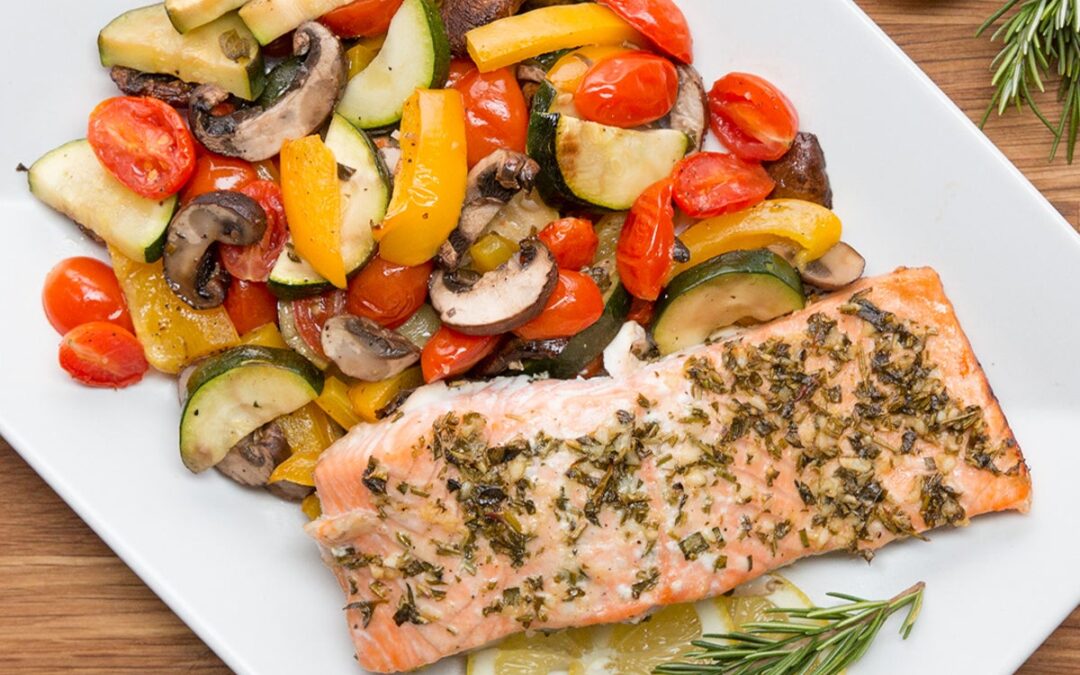
Fatty fish, such as salmon, trout, and sardines. Mackerel, tuna, herring, fish oil, krill oil, herring, and eggs from pastured chickens.
Plant sources
These provide ALA, which the body can partially convert to EPA and DHA:
• Flaxseeds and flaxseed oil
• Chia seeds
• Walnuts
• Hemp seeds (active-duty military members cannot consume hemp seeds as they may test positive for THC.)
Please let me know if I can assist you in improving your health this New Year!
In good health,
Patty